
The Instagram Story Forensics Method: Solving Blind Items in 2026
Turn your Instagram feed into a detective kit by mastering the art of background reflections, location metadata, and social cluster analysis to unmask even the most cryptic blind items.


It used to be that a solid blind item required a stash of paparazzi photos or a waiter willing to talk to the tabloids. In 2026, the game has changed entirely. The celebrities are doing the work for us. They are-compulsive oversharers, addicted to the dopamine hit of a "view," and they are sloppy. While publicists scrub main feeds with bleach-level precision, Instagram Stories remain the Wild West. This is where the truth hides in plain sight, sandwiched between a brand deal for tea and a blurry selfie.
You do not need a private investigator. You need a critical eye, a decent screen resolution, and patience. The method below turns a passive scroller into an active investigator. I have used this exact process to verify blinds regarding that shocking pop star breakup and the fallout from the reality TV cheating scandal earlier this year. Here is how you do it.
1. Map the Invisible Grid of Location Tags
The first error amateurs make is trusting the text overlay on a Story. If a singer posts "Home sweet home 🏠" over a video, do not take it at face value. The metadata and the background geography tell the real story.
Open the Story. Do not just watch it; interact with it. Swipe up gently to see if a location sticker is hidden, but do not stop there. Look at the ambient light. A "home" story posted at 2:00 PM with blinding, direct Southern California sunlight is impossible if the subject claims to be in a London townhouse. Analyze the architecture of the door frames, the specific type of streetlamp visible in the window, or the foliage in the background.
Cross-reference these visuals with the location tags of the people they follow. If the blind item claims that Actor A and Actor B were secretly meeting in Paris, do not look for a photo of them together. Instead, look at the stories of their mutual acquaintances—stylists, assistants, or the "hanger-on" friends. If three separate low-level accounts post stories from the same discreet hotel lobby in the 8th Arrondissement within an hour of each other, you have your location lock.
2. Extract Data from Reflective Surfaces
This is the most advanced and reliable step in the entire process. Sunglasses, mirrors, spoons, and even polished marble tables are recording devices that the poster forgot to disable.
When analyzing a story, pause it. Take a screenshot. Crop the image to focus entirely on the reflective surface. Increase the contrast and sharpness. You are not looking for a clear image; you are looking for shapes, colors, and logos.
For instance, a blind item circulated in March regarding a certain A-lister who was supposedly in rehab. His publicist posted a story of him "hiking" to prove his health. The followers bought it. But if you zoomed in on his Ray-Bans, the reflection showed a distinct, sterile blue wall and a medical monitor—hardly scenery found on the trails in Runyon Canyon.
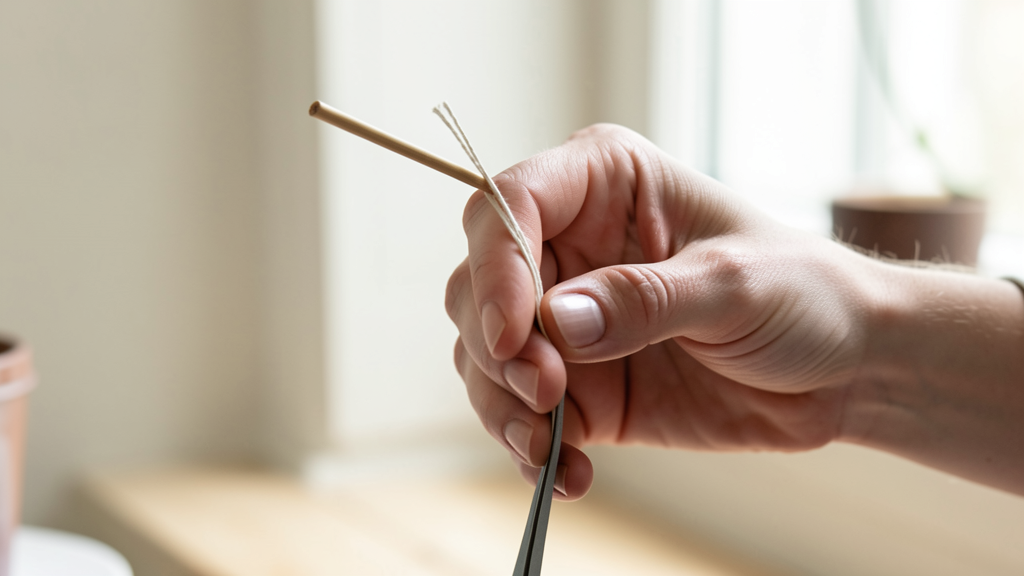
Look for the specific hands holding the phone. If a blind item mentions a secret relationship and a "friend" posts a video of a sunset, watch the shadow cast by the person filming it. Is the shadow wearing a recognizable watch? Does the hand have a specific tattoo? I once identified a mystery partner solely by the unique jade ring on the pinky finger of the hand holding the phone, confirming a blind item weeks before the couple went public.
3. Deconstruct the Social Circle via Close Friends
Blind items often rely on the "which star are we talking about?" ambiguity. To solve this, you must ignore the star and focus on the entourage. Every celebrity has a fixed orbit of 5 to 10 people who appear in their Stories constantly. This is their "approval group."
If a blind item describes a "nepotism model" caught doing lines in a club bathroom, you can narrow down the suspect list by seeing who was partying that night. Ignore the main feeds. Go to the Stories of the lesser-known friends. Look for the "Countdown" stickers or "Added to Close Friends" rings.
If you see that Model X’s stylist and Model X’s ex-boyfriend’s brother are all posting from the same VIP section, while Model X herself is radio silent, the silence is the loudest clue. The absence of a post is often more telling than the presence of one. They are hiding, but their friends are sloppy. This creates a "cluster" of activity. By triangulating the friend groups, you eliminate the innocent parties and are left with the subject.
Furthermore, pay attention to who likes these Stories. If a blind item suggests a feud between two co-stars, watch the engagement. If Co-star A posts a vague, shady quote about "loyalty," and Co-star B is the first like within 30 seconds, the feud is likely a publicity stunt. If there is silence, or if only their bitter ex-spouse likes it, the blind item is likely true.
4. Correlate the Timestamp with Public Records
The final piece of the puzzle is temporal correlation. Instagram Stories vanish in 24 hours, creating a false sense of security for the poster. But for us, that creates a narrow, verifiable window.
Let us say there is a blind about a star being "drunk on set" causing production delays. You need to match the Instagram activity to the production schedule. Check the tagged location of the studio lot. If the star posts a Story at 11:00 AM looking groggy with a "morning" caption, but the production call sheet—which often leaks or is referenced by fan accounts—shows they were supposed to be on set at 6:00 AM, you have evidence of a lateness issue.
We saw this exact forensic work during the investigation into the mystery of the 'drunk on set' star last year. The actor claimed a "family emergency," but his Stories showed a series of late-night parties culminating just hours before his scheduled call time. The timeline did not lie. You must build a chronological map: When was the Story posted? When did the incident in the blind allegedly occur? Does the visual evidence in the Story support the physical state described in the blind?
The Ethics of the Digital Stakeout
Mastering this skill changes how you view celebrity culture. It stops being about passive consumption of gossip and becomes an active dissection of a constructed narrative. You will start to notice the patterns: the frantic posting when a scandal is about to break, the strategic use of "friends" to leak information, and the subtle slip-ups in reflections.
However, remember that this power comes with a responsibility to verify. We must avoid defamation by relying on concrete visual evidence rather than wild speculation. Always ask yourself if the clue could have multiple interpretations. If the reflection is ambiguous, or the timestamp is slightly off, hold back. The goal is to find the truth, not just to fit a square peg into a round hole because it makes for a better story. And sometimes, consider who is actually leaking these blind items in the first place—often, it is the celebrities themselves, using the chaos to distract from something else.
Read next
5 Blind Items That Were Shockingly Confirmed True
A deep dive into five specific blind items from the archives that transitioned from industry whispers to undeniable public facts.

Who Is Actually Leaking These Blind Items?
Uncover the truth behind the sources of Hollywood’s anonymous gossip, tracing the chain of custody from disgruntled assistants to strategic publicists.